
1- What has been your biggest challenge working on TRACE project?
Honestly, the biggest challenge has been the same thing that makes TRACE so interesting, its complexity. We are working across three very different national contexts (Portugal, Poland, Serbia), with partners coming from public health, academia, technology, SMEs and patient organisations. Aligning that into one shared language, one shared methodology, and one shared rhythm of work is demanding. At Minds Europe, since we lead the regional collaboration frameworks and quality and innovation management, a lot of our early effort has been about building bridges, making sure that what works is meaningfully done, without losing the local specificity that actually makes prevention work for underserved communities.
2- How do you think the TRACE project can make a difference?
TRACE’s real potential lies in the fact that it does not stop at producing research outputs, it puts those outputs directly into the hands of the communities that need them most. By combining citizen science, living labs and a strong focus on underserved populations, we are addressing one of the most persistent problems in European cancer care, the gap between what the evidence says and what actually reaches people on the ground. If we succeed, TRACE will not just deliver another set of recommendations, it will leave behind functioning regional ecosystems where researchers, clinicians, policymakers, SMEs and citizens continue to collaborate long after the project ends. That sustainability dimension is, for us, where the real difference is made.
3- For you, what is the main result that TRACE will deliver?
For Minds Europe, the main result is a set of replicable, regionally-anchored models for cancer awareness, prevention and literacy, models that other European regions, especially those facing similar inequities, can pick up and adapt. We are particularly invested in the upscaling strategies for cancer literacy materials and living lab initiatives, because these are the mechanisms that will allow TRACE’s impact to outlive its three-year duration. Beyond the deliverables themselves, the strengthened capacity of the partners and the regional networks we are building are, in my view, an equally important outcome.
4- We reached the 6-month mark of the project; how do you see the progress made in these months?
The progress has been very encouraging. After the remote kick-off in October and the first in-person consortium meeting, we moved quickly into the substantive work, mapping regional ecosystems, aligning methodologies, preparing the TRACE Open Call, and laying the groundwork for the living labs. From the Minds Europe side, we have already begun shaping the regional collaboration frameworks, and the level of engagement from all partners has been genuinely high. Six months in, I feel we have achieved what is most important at this stage, a shared understanding of the mission, trust within the consortium, and a clear operational rhythm. That is the foundation everything else will be built on.
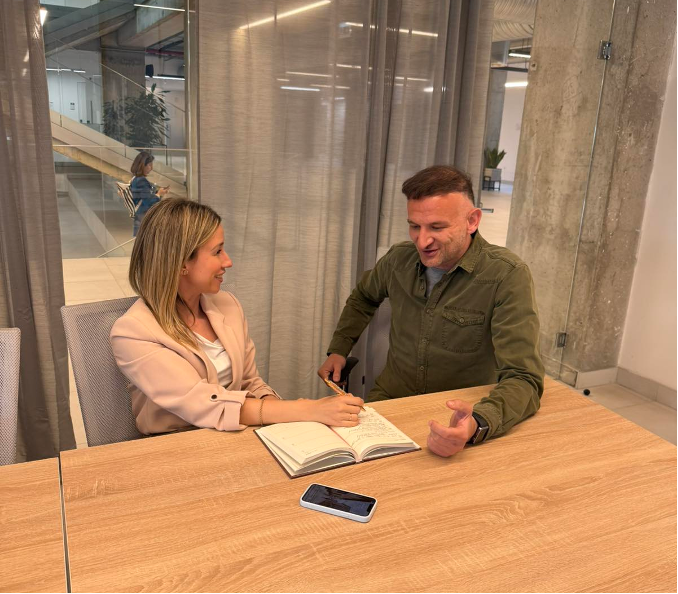
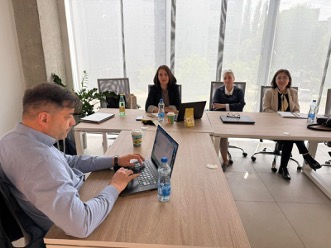
Minds Europe Team